Writing the New Year Haiku
Originally celebrated on the first day of spring per the lunar calendar, the New Year is considered a season in itself in Japan and New Year haiku often depict elements such as blossoms and songbirds. Here’s one by Buson*:
plum blossoms
whether I go north or south —
pink everywhere
This one by Issa may refer to the Buddhist idea of the “dharma ending age”:*
New Year’s Day —
petals drifting down
in this fallen world
In another year, date unknown, his spirits were up:*
clear blue sky
this New Year’s Day —
glad to be alive
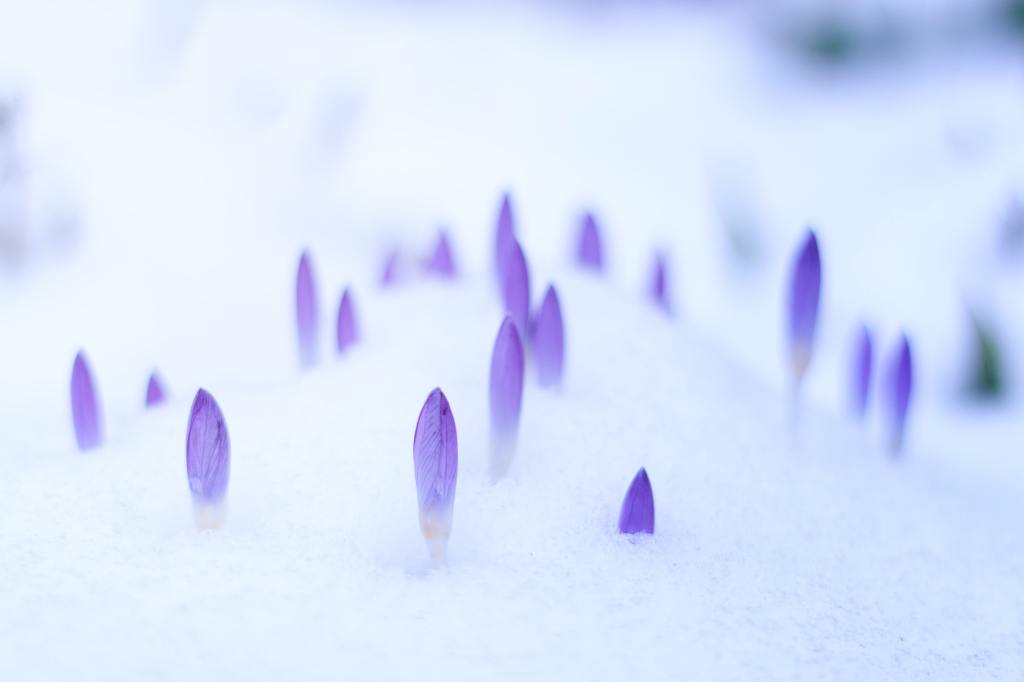
In this haiku from 1689, Basho offers a glimpse of a spring thaw:*
warmth of the sun
on a glistening field —
New Year’s Day
This last one by Basho, written toward the end of his life, acknowledges a depth of feeling in which beginnings co-exist with endings*:
New Year’s Day
but everything feels like
autumn to me
*versions by jg
Writing Prompt
Writing a New Year’s haiku offers an opportunity to welcome a fresh outlook. This prompt joins mindfulness with images from nature. To begin, make a list of five positive feelings, thoughts, or intentions. Then list several of your recent observations from the natural world. Select one entry from each list and fashion them into a haiku. Here’s an example I wrote recently:
imagining peace,
an end to war — birdsong
from the chimney top
This isn’t the traditional way to write haiku — it’s generally more intuitive, even “accidental” — but I think it’s a good way to widen the lens of attention. You may get one or more effective haiku out of this process; if not, set them aside and try looking at them another day with a fresh eye. Sooner or later, a pearl will show up.
 Jerome Gagnon Blog